
Cousinia hermonis is a flowering plant species within the Asteraceae family, first described by Pierre Edmond Boissier in 1849. It is native to the eastern Mediterranean region, specifically Mount Hermon, which spans the border between Lebanon and Syria. This species thrives primarily in temperate biomes.
Habitat and ecology
Taxonomically, Cousinia hermonis has been synonymized with Arctium hermonis (Boiss.) Kuntze. The genus Cousinia comprises numerous species distributed across the arid and desert regions of central and western Asia
Identification
Snapshot
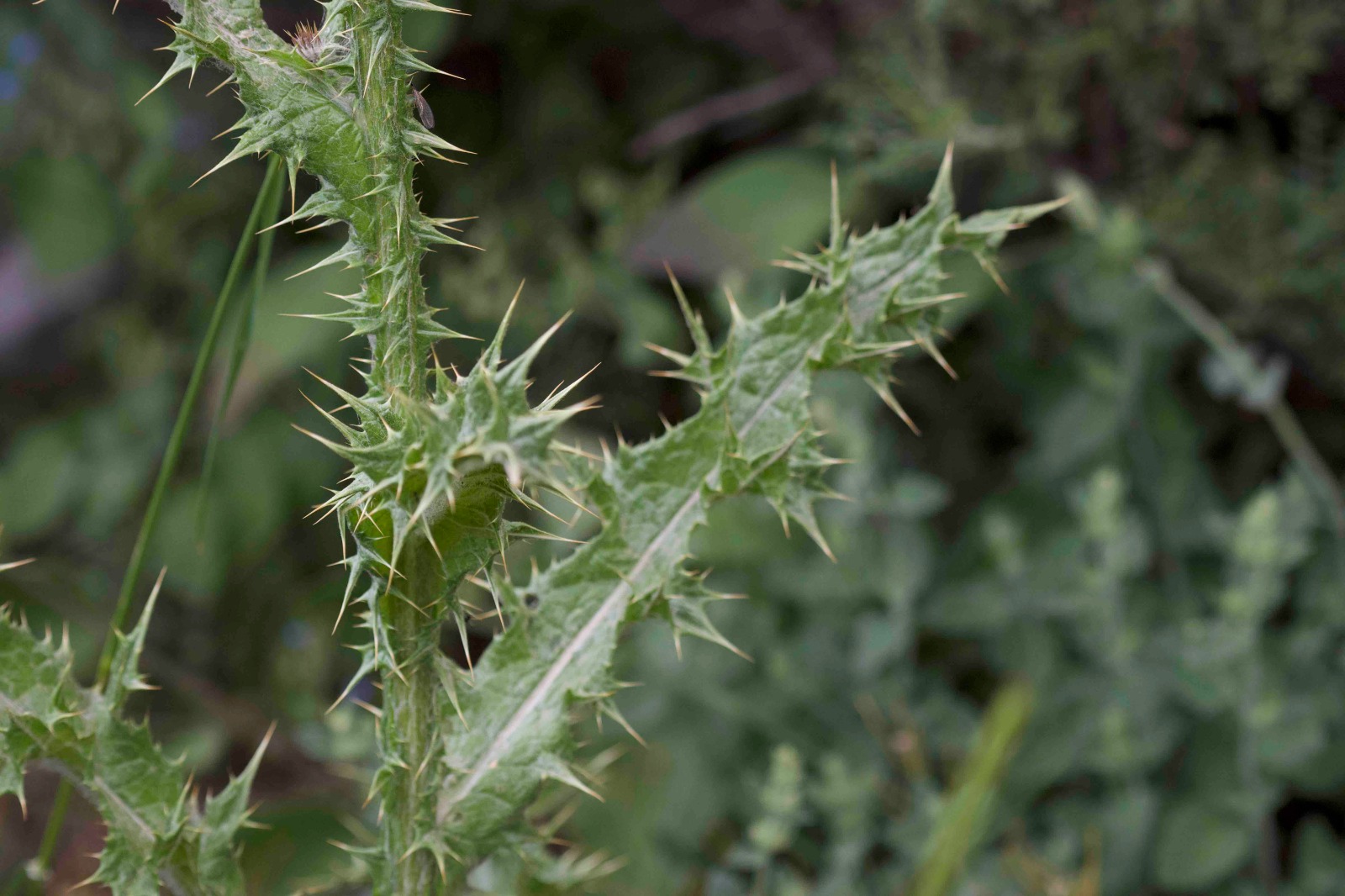
While specific details about the morphology and ecology of Cousinia hermonis are limited in the provided sources, members of the Cousinia genus are generally characterized as biennial or perennial herbs or subshrubs. They often feature divided leaves with spiny margins and solitary or clustered flower heads. The flowers are typically red, purple, pink, or yellow, and the fruits are obovoid to obconical achenes.
Petals & Paws
More Wild Wonders


Anthemis Rasheyana
Anthemis rasheyana, commonly known as the daisy of Rashaya, is a flowering plant species native to the Rashaya region in Lebanon. It belongs to...
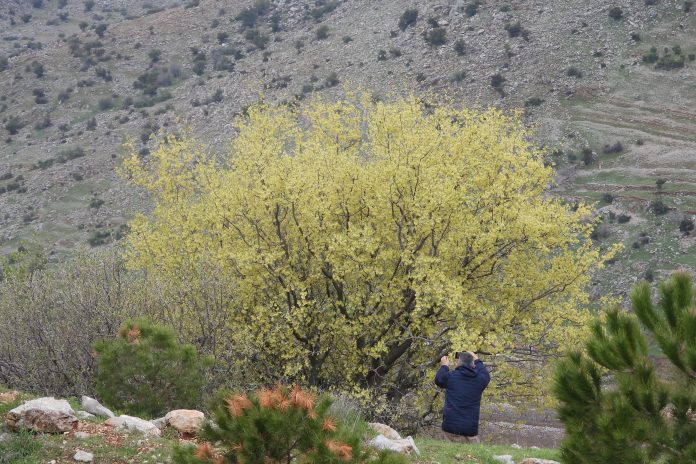
Hermon Maple
The Hermon maple (Acer hermoneum) is a rare species of maple tree native to the eastern Mediterranean, particularly found in Lebanon and Syria, including...
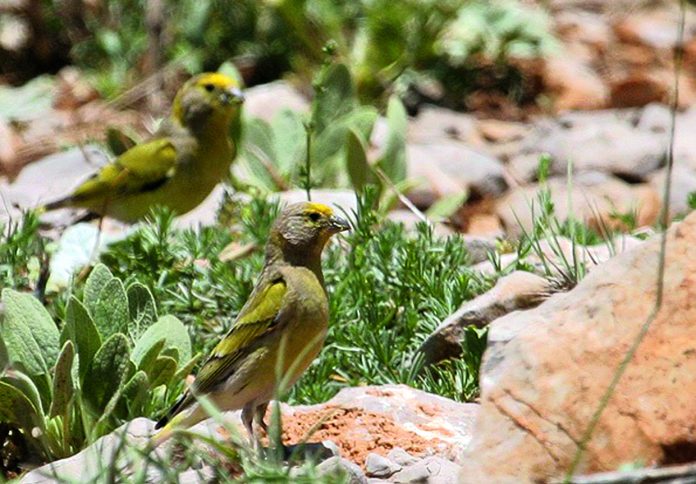
Syrian Serin
The Syrian serin bird (Serinus syriacus), also known as the Eastern serin, is a small passerine bird that belongs to the Fringilladae family. This...